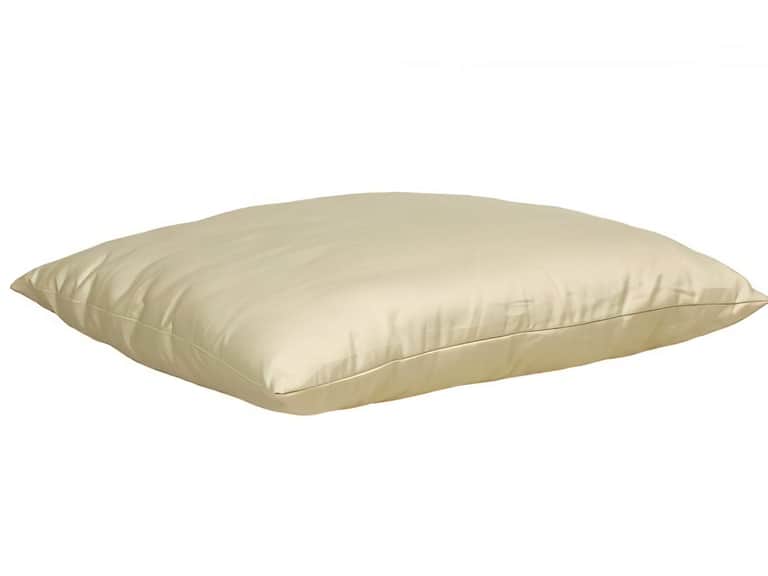
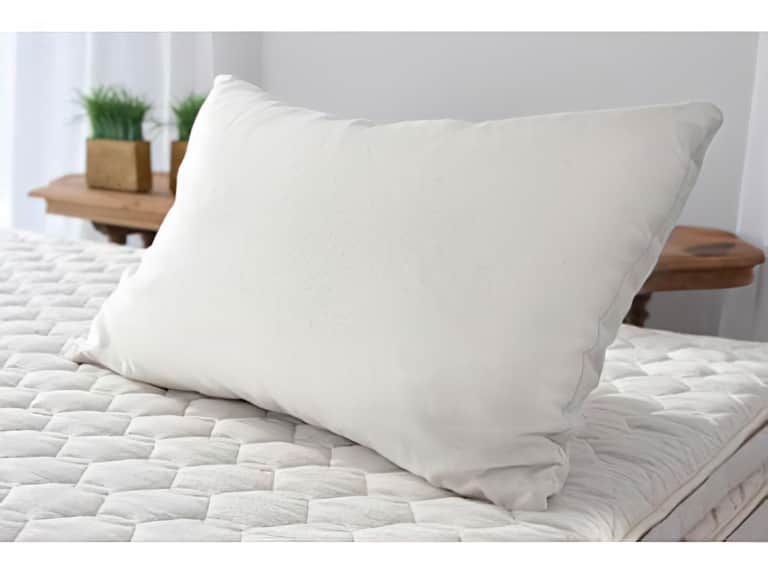
Wool as a material offers natural resilience, temperature regulation, and moisture-wicking properties that support comfortable sleep environments. In bedding discussions, wool is valued for its breathability and ability to absorb humidity without feeling damp. This makes it a favorable option for users seeking year-round comfort and durable, long-lasting performance.
In the context of memory foam and natural fiber hybrids, wool pillows provide a soft, supportive foundation that complements contouring foams. Wool fibers help maintain spinal alignment by offering gentle lift while allowing air to circulate. This combination can reduce heat buildup and promote a steadier sleep temperature throughout the night.
The Savvy Rest Wool Pillow exemplifies how wool can function within a pillow system that emphasizes comfort and allergen-conscious design. Its wool-fill is designed to be breathable and responsive, delivering a balanced feel that supports various sleep styles. Functional benefits include improved airflow and a natural approach to cooling while maintaining shape over time.
Beyond pillows, wool is frequently discussed in bedding contexts for its hypoallergenic qualities and durability. For sleepers who prioritize natural materials, wool blends with memory foam or latex components can offer a synergistic balance of softness, support, and resilience. Understanding wool’s characteristics assists in selecting pillows and toppers aligned with individual comfort needs.
Key keywords such as bedding, memory foam pillows, latex, and down pillows reflect the broader taxonomy of sleep accessories. Wool remains a versatile option in discussions of comfort layers, where users evaluate factors like temperature regulation, moisture management, and long-term performance to determine suitable pillow configurations and care considerations.
 Bedding