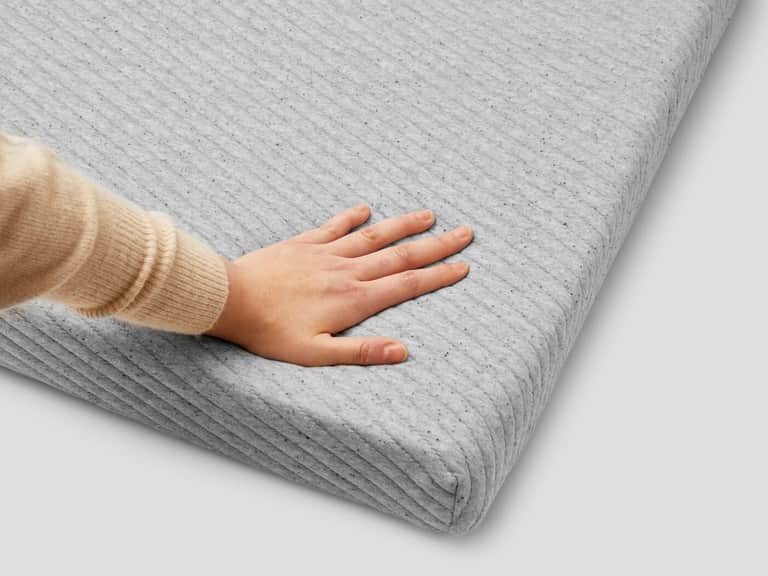
Comfy Mattress Topper
Transform your bed into a cloud of comfort with a plush, responsive top layer and supportive memory foam, wrapped in a soft, breathable quilted cover for cradled, cool, all-night bliss.
A thoughtful guide to selecting bedding that honors comfort, safety, and sustainability. From cotton covers to natural latex and wool, we explore how organic materials shape sleep quality—and what certifications signal trustworthy production.
In a world saturated with glossy claims and techno-gadgets, the organic mattress stands as a quiet, resolute alternative: materials chosen for their natural origins, low impact on the environment, and a direct line to healthier sleep. The premise is straightforward, yet rarely simple in execution. An organic mattress is not merely “free from synthetic chemicals.” It is a carefully composed mosaic of components—cover, core, and comfort layers—crafted from materials that can be traced to agricultural or natural origins with verifiable standards.
This guide draws on established conversations about sleep science and the ethics of production. We consider how common organic materials—cotton, natural latex, wool, and blends—perform in daily life, and why certifications matter when you cradle a night’s rest in your own hands. The aim is not to prescribe a single path but to illuminate the criteria by which a reader can weigh comfort, safety, and sustainability without sacrificing the quiet sophistication of a good night’s sleep.
Cotton, when grown and processed under responsible conditions, offers a breathable, naturally comfortable surface for sleeping. Organic cotton reduces exposure to residual pesticides, a consideration some sleepers find meaningful after years of pillow talk about chemical exposure and fabric irritants. The cover of a mattress sets the tone for the sleep experience: it shields the more delicate foams or springs beneath, while contributing to temperature regulation, moisture management, and a tactile sense of softness or firmness.
Beyond feel, organic cotton embodies a broader narrative about sustainability. The growing practices, soil health, and water usage associated with organic cotton influence the long-term health of ecosystems and labor conditions along the supply chain. In a marketplace that often privileges feel over provenance, the cotton cover becomes a subtle, public-facing statement about values: the comfort of the sleeper and the responsibility of the producer can coexist in one bed.
Latex derived from natural sources—usually Hevea brasiliensis rubber trees—offers a distinctive blend of buoyant support and durable recovery. When produced under organic paradigms, latex can be formulated to emphasize resilience without trapping heat, a quality particularly valued by back and stomach sleepers who require consistent support without a sinking feeling. Organic latex is often paired with wool or cotton fabrics to optimize airflow and regulate microclimates around the body during the night.
There are two main latex production philosophies: Dunlop and Talalay. Each has its own texture and performance characteristics. For organic mattresses, the emphasis rests on the latex being free from synthetic additives, with manufacturing facilities that adhere to responsible environmental and worker-safety standards. The resulting layer contributes to motion isolation, pressure relief, and a comfortable sleep position without the heavy chemical footprint some synthetic foams can carry.
Wool stands out for its remarkable natural ability to wick moisture and adapt to ambient temperature. In bedding systems, wool fibers act as a dynamic buffer—seasonally warmer in winter and cooler in summer. Organic wool, sourced from farms with humane animal-welfare standards, creates a breathable, thermoregulating layer that can enhance sleep comfort without relying on petrochemical additives or synthetic fillers.
The use of wool also intersects with a broader sustainability discourse: many sheep-wool systems emphasize regenerative agricultural practices, farm diversification, and traceability that can reassure buyers who seek not only comfort but ethical alignment with their values.
A mattress often relies on a thoughtfully curated blend of materials. A core may be wrapped with natural latex for bounce, while a wool or cotton quilted top aids breathability. Blends can offer a compromise between the firmness needed for spinal alignment and the plushness that invites a deep, restorative sleep. Organic blends are increasingly common as manufacturers seek to provide products that satisfy both comfort seekers and sustainability advocates.
In considering blends, sleepers should attend to the complementarity of components: how the cover contributes to microclimate, how latex or foam layers interact with the spring system (if present), and how the overall stack behaves across the lifespan of the mattress. A well-chosen blend resists sagging, maintains edge support, and preserves a consistent sleep surface through many nights of rest.
Certifications act as a language of trust within a complex supply chain. For organic mattresses, several programs have become standard-bearers, signaling to consumers that a product’s promises align with verifiable standards. The most widely acknowledged certifications include GOTS (Global Organic Textile Standard), GOLS (Global Organic Latex Standard), and MADE SAFE, each addressing different facets of material safety and environmental responsibility. Understanding what these stamps mean can help shoppers avoid greenwashing and make decisions anchored in evidence.
GOTS governs the processing, labeling, and packaging of textiles made from organic fibers. It requires compliance with social and environmental criteria, including restrictions on toxic dyes and a commitment to sustainable processing methods. A mattress cover or fabric label bearing GOTS indicates that the textile portion adheres to an internationally recognized standard for organic textile production, with a chain-of-custody assurance that tracks materials from harvest to finished product.
For sleepers, GOTS signals that the textiles touching the skin were produced with an emphasis on low environmental impact and consumer safety. While GOTS is most visible on fabric components, it serves as a useful proxy for the overall ethos of a product's construction—especially when paired with other certifications for the core materials.
GOLS certifies that latex within the mattress is sourced from organic farming and manufactured under controls designed to protect worker safety and environmental stewardship. It is a rigorous standard that addresses the entire lifecycle of latex—from the forest-to-foam journey. For sleepers with latex sensitivity or those seeking a chemical-free core, GOLS certification provides a strong signal that the latex content aligns with organic principles and third-party verification.
GOLS is especially significant for those who desire the durability and responsiveness of latex without compromising organic integrity. When a mattress or latex layer is GOLS-certified, it offers a layer of assurance that the core material was produced with attention to soil health, biodiversity, and traceable supply chain practices.
MADE SAFE evaluates products for the absence of substances that may pose health concerns for people, animals, and the environment. While it applies to a broad range of consumer goods, a MADE SAFE certification on textiles or bedding signals a commitment to minimizing exposure to hazardous chemicals and to safer, non-toxic materials. This certification dovetails with consumer interest in reducing the risk of skin irritation or respiratory sensitivity from bed surfaces.
For readers, MADE SAFE complements GOTS and GOLS by emphasizing consumer safety in the broader sense: the absence of harmful additives, the use of non-toxic processing aids, and transparent disclosure of ingredients and manufacturing practices.
Beyond the big three, other regional or industry-specific certifications—such as Oeko-Tex Standard 100 for textile safety or safety-focused foam certifications—can add layers of confidence. When evaluating an organic mattress, consider not only the presence of one seal but the coherence of multiple signals: organic farming credentials, non-toxic processing, durable construction, and transparent supply chain documentation. A well-documented product narrative, backed by certifications, helps translate comfort into measurable, ongoing well-being.
In the end, selecting an organic mattress is not solely an exercise in shopping. It is an engagement with a philosophy of sleep—one that honors the body’s needs, respects environmental limits, and invites a more mindful approach to rest. When you lie down on a surface that aligns with these values, sleep becomes less an escape and more a natural extension of the day’s intention: to wake renewed, in body and in mind.
Choosing an organic mattress is an act of care—care for your own health, for the workers who craft what you sleep on, and for the ecosystems that support the raw materials. It is a practice of discernment: reading labels, understanding certifications, and imagining the nights ahead as more peaceful, less fraught with chemical questions. In a time when sleep is increasingly recognized as foundational to well-being, an organic approach to mattresses offers a tangible, tangible way to align daily life with longer-term health and planetary care.
If you are curious to explore specific product examples that embody the organic ethos, consider items that emphasize a balanced materials stack, transparent certification documentation, and a commitment to the long arc of sleep health. The right mattress—supportive, breathable, and responsibly sourced—can become a quiet anchor in a life that is often loud with choice and noise. In the end, the best recommendation is simple: choose what helps you sleep best, with integrity you can verify.
The following example product aligns with the organic-material, comfort-focused approach described above. It features a two-layer foam construction that blends plush comfort with memory foam support, wrapped in a quilted knit cover designed for breathability and stability. While this note serves as a representative illustration of the kind of product narrative that complements an organic mattress guide, it is not a recommendation or endorsement. Always review current specifications and certifications when making a purchase decision.
Comfy Mattress Topper — Two-layer foam construction combines plush comfort with memory foam support, wrapped in a quilted knit cover.
Brand: Casper
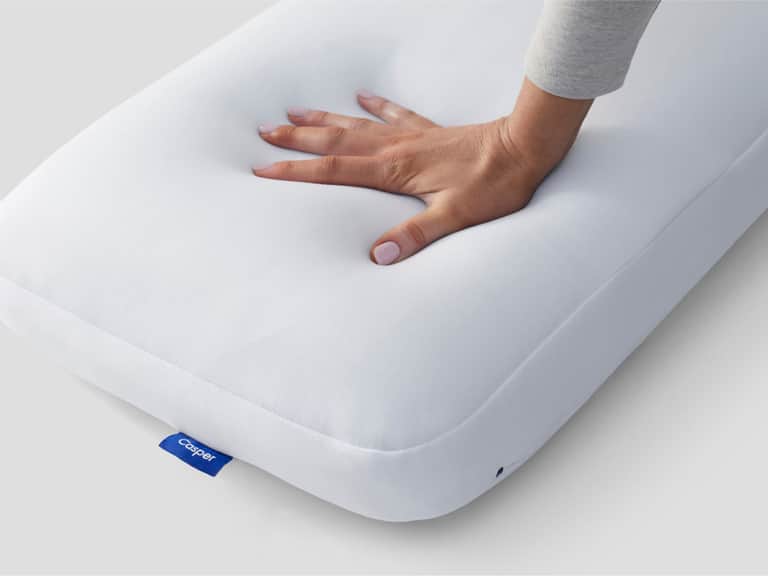
Hybrid Pillow — A balance of ultra-soft foam layers and a down-alternative fiber core, with a removable knit cover for easy care.
Brand: Casper