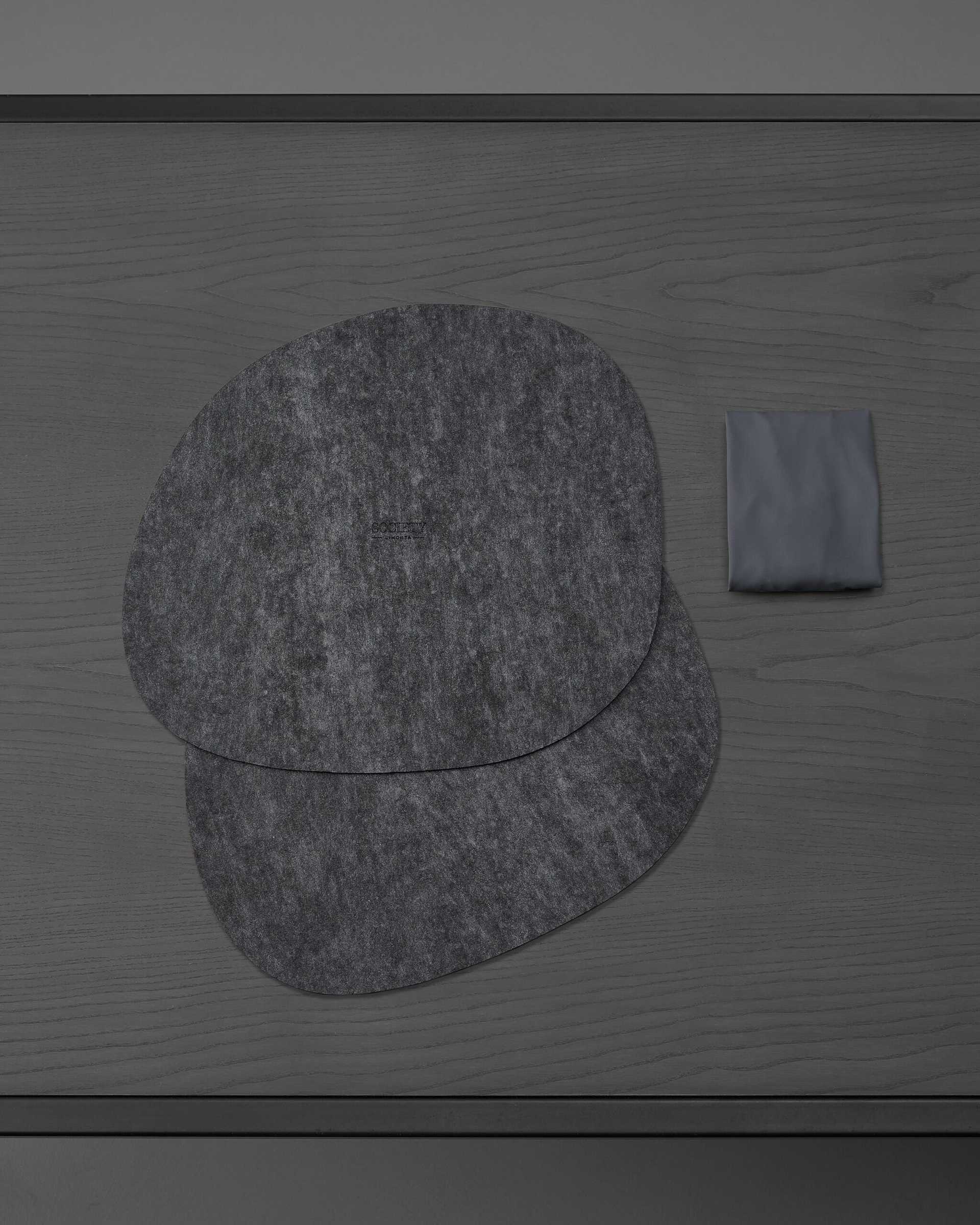
Table category content on memoryfoam.nyc concentrates on how various table surfaces interact with everyday use, ergonomics, and material science. This overview highlights how table design and composition contribute to stability, weight distribution, and long-term durability. Key features include density, resilience, and compatibility with different room aesthetics and functional needs, such as dining, work, and display contexts.
Understanding table materials helps users evaluate how foam-backed or foam-integrated components influence comfort and usability. The category emphasizes structural integrity, surface finish quality, and edge support, as well as how memory foam-inspired principles can reduce fatigue during extended tasks. Practical considerations include heat management, breathability, and moisture resistance for diverse environments.
Foam Housse and Foam Placemats illustrate how layered foams can provide cushioning, impact absorption, and surface protection for various tabletop activities. These products balance softness with support, aiding in ergonomics during meals, writing, or crafts. Functional benefits include scratch resistance, temperature regulation, and easy maintenance for everyday use.
In addition to comfort, the category examines compatibility with different tabletop materials such as wood, glass, and laminates. By analyzing edge treatments, slip resistance, and thickness options, users can assess suitability for new or existing layouts. The education focuses on how foam-inspired components can extend tabletop life and preserve finish quality.
Overall, the table category integrates concepts of density, resilience, and surface care with practical guidance on selecting tabletop accessories. It references related mattress categories like luxury mattress toppers, mattresses, hybrids, and innerspring variations to illuminate material principles that cross between comfort engineering and furniture design, offering a cohesive understanding of consumer needs.
 Table
Table